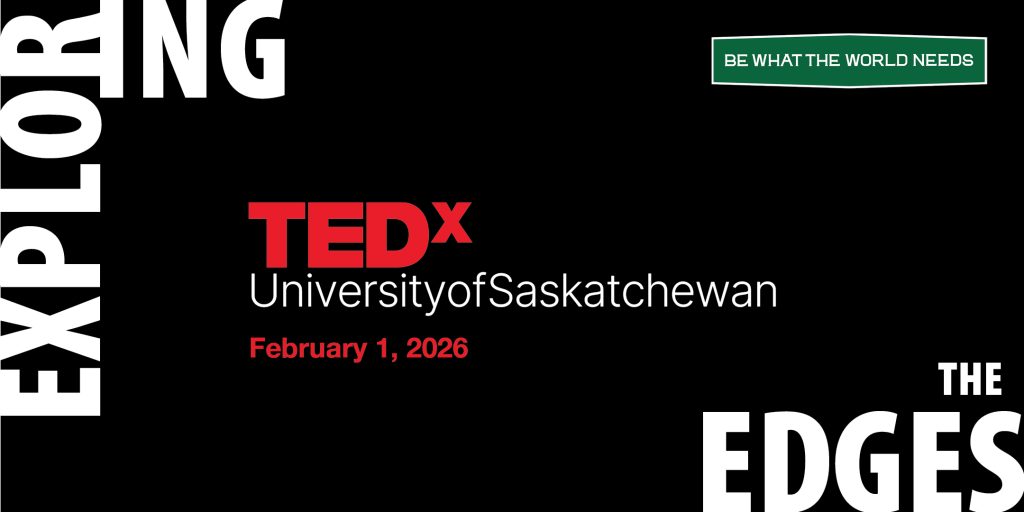
TedX video: I Know What You Grew Last Summer | Steve Shirtliffe
March 12, 2026
University of Saskatchewan
What if satellites could help farmers plan smarter for the next season?
Drawing from his roots on a Prairie farm and his career pioneering agriculture research, this talk explores how drones, satellite imagery and AI unlock new ways to manage crops and land. But how do we harness big data in digital agriculture without losing sight of the people who grow our food? Dr. Steve Shirtliffe’s team has developed the Geospatial Agroecosystem Inference Engine (GAIG), a tool that can predict yields, map weeds and identify marginal land — which promises a more sustainable future. But progress isn’t just about technology; it’s about trust. Shirtliffe’s connection to farming communities drives his mission to ensure these innovations benefit farmers first. If we provide tools that put farmers in charge, then digital agriculture can help feed the world and protect the planet. Dr. Steve Shirtliffe (PhD) is the director of the Nutrien Digital and Sustainable Agriculture Centre and a professor of agronomy at the University of Saskatchewan. Raised on a farm in southern Manitoba, he brings practical experience to his research on crop imaging, precision agriculture, and sustainable production systems. Dr. Shirtliffe has led projects on Unmanned Aerial Vehicles (UAV) and satellite-based crop monitoring, herbicide-resistant weed management and pulse agronomy. He developed the university’s Precision Agriculture Certificate and collaborates widely across disciplines to advance digital tools for crop management.
This talk was given at a TEDx event using the TED conference format but independently organized by a local community. Learn more at https://www.ted.com/tedx