Maia Farms: Unlocking the Power of Mushrooms for the Future of Food
February 3, 2026
Noelle Chorney, Ag-West Bio
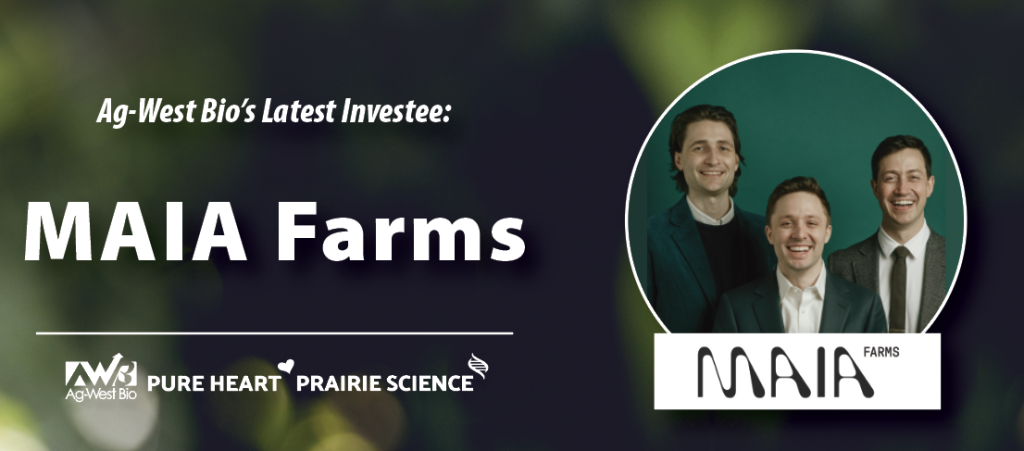
As food manufacturers search for clean-label ingredients that deliver taste, texture, and nutrition, mushrooms are emerging as a solution. Vancouver-based Maia Farms is at the forefront of this shift, developing scalable mushroom and mycelium-based ingredients that address some of the biggest challenges facing today’s food system—without asking consumers to embrace unfamiliar or “science-fiction” foods.
Maia Farms specializes in mushroom-based ingredients produced through two proprietary technologies. The first is a liquid-state biomass fermentation process that produces 100% mushroom mycelium. Using upcycled agricultural inputs, Maia Farms grows mushroom mycelium in low-cost bioreactors similar to those used in beer brewing. The result is a high-yield biomass that is harvested and minimally processed into a whole-food ingredient.

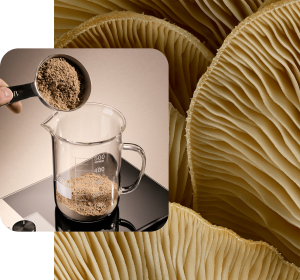
The second technology is a textured mushroom protein called Maia™FORM. This ingredient blends powdered oyster mushrooms with pea protein to create a dried, textured product similar to traditional textured vegetable protein. Unlike conventional soy- or pea-based protien, Maia™FORM delivers a superior bite and mouthfeel while avoiding the bitterness commonly associated with legume proteins. Both technologies are patented and designed to scale efficiently, supporting Maia Farms’ commercial growth.
Gavin Schneider, Maia Farms CEO says, “Maia Farms’ production platform is a combination of mushroom genetics, feedstocks, and a highly efficient production process. We have developed a system that uses fewer resources while producing high volumes of nutrient-dense biomass. This approach dramatically improves sustainability and cost efficiency, making mushroom-based ingredients viable for large-scale food manufacturing.”
“Our goal isn’t to replace meat,” he says. “We’re not anti-cow or anti-chicken. We’re simply introducing another ingredient that people actually want to eat.” Mushrooms, after all, are familiar, trusted, and widely enjoyed. They don’t require consumers to overcome the skepticism sometimes associated with lab-grown or heavily processed alternatives.
For food manufacturers, Maia Farms’ ingredients solve several pressing problems. Clean-label formulations are increasingly important as consumers move away from synthetic additives. Maia’s mushroom ingredients enhance taste and texture naturally, while also contributing fiber, protein, beta-glucans, essential amino acids, and micronutrients such as iron.
 Beyond nutrition, mushrooms address a major dietary gap in North America: fibre deficiency. Schnider says, “While most consumers consume adequate protein, few meet recommended fibre intake levels. Mushroom-based ingredients help close that gap while offering additional immune-supporting benefits naturally associated with fungi.”
Maia Farms operates as a B2B ingredient supplier, selling directly to food manufacturers across North America, with growing demand in Western Europe and the Asia-Pacific region. Its ingredients are currently used by companies such as Sprague Foods, an Ontario-based soup manufacturer, as well as Kula Foods. The company has also partnered with organizations like the Greater Vancouver Food Bank, supporting over 60,000 families in a single quarter with nutrient-dense, shelf-stable food solutions. Similar programs are planned with food banks in Saskatchewan.
The versatility of Maia’s ingredients extends well beyond meat alternatives. Schneider says, “They are currently used in soups, baked goods, snacks, and even cookies, with particularly strong growth in ready-to-eat and ready-to-heat applications. With a two-year shelf life and no refrigeration required, Maia’s products are well suited for institutional food service, healthcare settings, and food aid organizations.”
Maia Farms’ progress has been bolstered by investment from Ag-West Bio, a Saskatchewan-based fund focused on agri-food innovation. Mike Wolsfeld, Ag-West Bio’s Manager of Investment says, “Maia Farms has proven that they can solve some of the hardest problems in creating scalable, nutrient rich, and great tasting mushroom protein through fermentation. As a Saskatchewan-based fund, Ag-West Bio is proud to invest in Maia Farms, since it is an opportunity to partner and leverage Prairie infrastructure and expertise in fermentation and food manufacturing while also helping a great Canadian innovation scale to the world.”
Maia Farms manufactures its products in Saskatchewan, working closely with the Saskatchewan Food Centre and sourcing protein locally. While its headquarters and lab remain in Vancouver, the company plans to expand its footprint in Saskatchewan as it scales.
Looking ahead, Maia Farms is building a new research facility—the Fungal Intelligence Lab—focused on screening mushroom strains and testing new feedstocks. With over $6.5 million raised in 2025 and a growing customer base, Maia Farms is positioning mushrooms not as a niche alternative, but as a foundational ingredient for the future of food—simple, scalable, and undeniably delicious.